
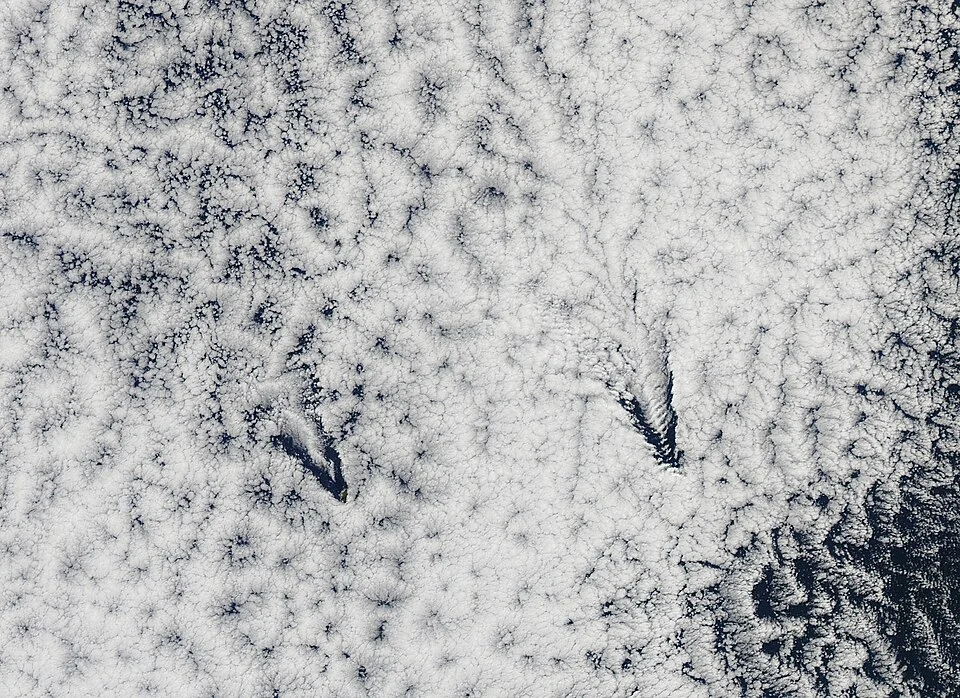
Biosphere Reserve: what it protects and what's missing
Much of the archipelago is a National Park and a UNESCO Biosphere Reserve, with endemic flora and fauna. On land, invasive plants keep spreading.
In 1977, UNESCO added the Juan Fernández Archipelago to its network of Biosphere Reserves. The reasons are plain to see: 131 plant species are endemic, an exceptional richness for barely 100 km² of land.
What being a Biosphere Reserve means
Biosphere Reserves are areas recognized for their conservation value and as laboratories for sustainable development. The designation does not grant legal protection in itself — that is each country's responsibility — but provides a framework of international cooperation for research, monitoring and environmental education.
In Chile, that protection comes from the Archipiélago de Juan Fernández National Park, created in 1935 and managed by CONAF, which covers Alejandro Selkirk and Santa Clara islands and most of Robinson Crusoe.
More protection at sea
In 2016, at the community's own proposal, Chile created the Mar de Juan Fernández multiple-use coastal marine protected area (DS 10/2016), covering some 11,000 km², where artisanal fishing and low-impact tourism are still allowed. In 2018 it expanded that area to some 24,000 km² and created the Mar de Juan Fernández Marine Park, covering some 262,000 km². The Biosphere Reserve has also been enlarged, from about 100 to more than 12,000 km², to include its marine surroundings.
What is still missing
On land, the picture is harder. Bramble, maqui and murtilla already cover about 15% of Robinson Crusoe, and around half of the flora growing on the islands today is of exotic origin. The fur seal has recovered, but the Juan Fernández firecrown remains critically endangered.
The archipelago had 904 inhabitants in the 2024 census, almost all in San Juan Bautista, its only town. Its economy rests mainly on artisanal fishing — led by lobster — and tourism: conserving the ecosystem also means safeguarding its economic future.
Biosphere Reserve status should be the starting point for an ambitious conservation strategy, not an honorary title. At sea, the community has already taken that step; on land, the clock is still ticking.
Experience it on the island
- Robinson Crusoe Island travel guide
The national park and its rules, what to pack, connectivity and practical tips.
Keep reading
- Flora Tree ferns: the high-elevation forest of Robinson Crusoe Island
Thyrsopteris elegans, the last survivor of its family, and Dicksonia berteroana shape the high-elevation forest, one of the island's most fragile habitats.
- Wildlife The Juan Fernández firecrown: a critically endangered hummingbird
Endemic to Robinson Crusoe and critically endangered: depending on the source, some 490 to 3,500 remain. Its biggest threat: bramble and maqui invading its forest.
- Flora Bramble and maqui: the invaders smothering the native forest
Bramble arrived in 1927 and, together with maqui, is invading the forest of Robinson Crusoe, home to plants found nowhere else in the world.
- Artisanal Fishing Jasus frontalis: the clawless lobster of Juan Fernández
Found only around Juan Fernández and the Desventuradas, it is caught with traps, a closed season, a minimum size and a traditional system of family “marcas”.